
How to Prevent Ice Dams: A Winnipeg Homeowner's Guide
Ice dams aren't a snow problem — they're a heat-loss problem. Here's how Winnipeg homeowners can stop them before January.
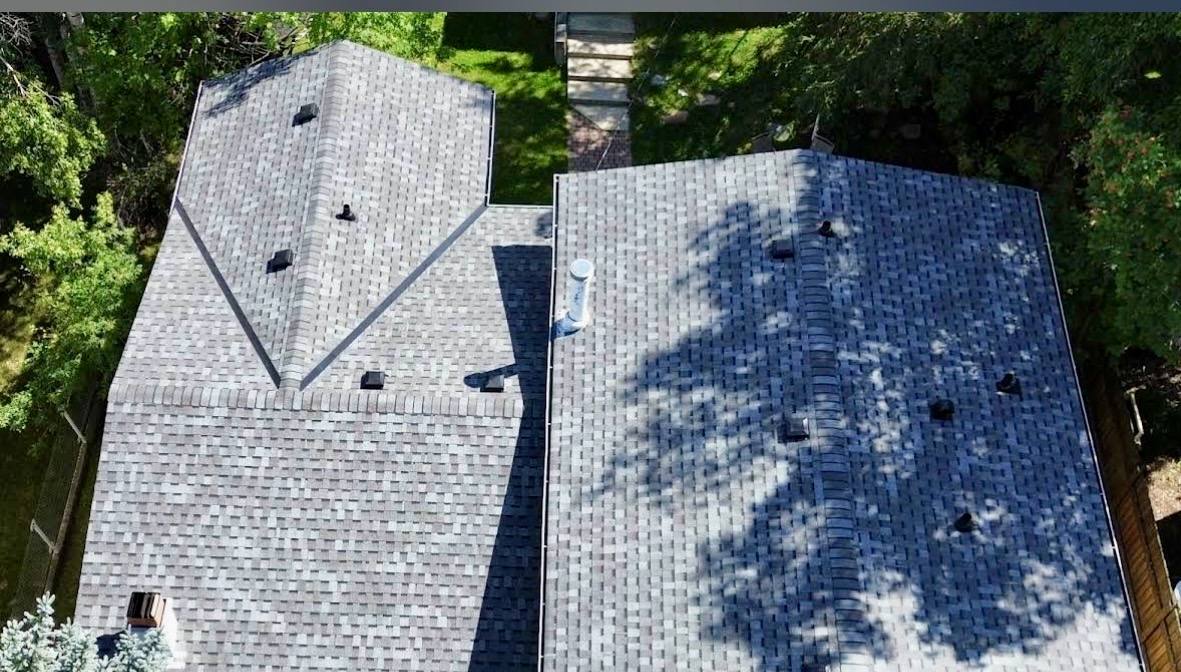
What an ice dam actually is
An ice dam forms when heat escaping from your house melts snow on the upper roof. The meltwater runs down to the cold eaves, refreezes, and builds a ridge of ice. Water then pools behind that ridge and works its way under the shingles — into your attic, insulation, and ceilings. In Winnipeg, where we swing between -30°C nights and sunny melt days, the conditions are perfect for it.
The three real causes
Ice dams are almost never a shingle problem. They trace back to three fixable issues:
- Attic heat loss — under-insulated attics (below R-50) warm the roof deck from below
- Air leaks — gaps around pot lights, attic hatches, and plumbing stacks dump warm air into the attic
- Poor ventilation — blocked soffits or undersized ridge vents trap warm air where it does the most damage
Your pre-winter prevention checklist
The best ice dam fix happens in October, not February:
- Have attic insulation checked and topped up toward R-50
- Seal attic air leaks around lights, hatches, and vent stacks
- Confirm soffit intake and ridge exhaust are clear and balanced
- Clear eavestroughs so meltwater has somewhere to go
- Ask for ice-and-water shield coverage at eaves when re-roofing
If you already have an ice dam
Don't chip at it with an axe or ice pick — you'll damage the shingles and it's genuinely dangerous on an icy roof. Safe removal uses low-pressure steam, and the permanent fix is the insulation and ventilation work above. If water is actively entering the house, treat it as an emergency and call a roofer before the next melt.
Want a roofer's eyes on it?
Every Amiri inspection is free and photo-documented — on the roof and in the attic.